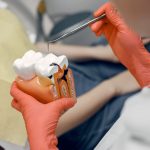

Restoring a damaged smile is about more than looks; it is about reclaiming the strength and comfort of your natural teeth. When a tooth is too weak to support a standard filling, modern restorative dentistry offers a durable, protective solution.
If you are experiencing persistent sensitivity or notice a structural flaw, consulting a dentist in Guelph is the best first step toward a permanent fix.
What Are The Primary Uses For Dental Crowns?
For those seeking dental crowns in Guelph, the treatment is incredibly versatile. These custom-fitted “caps” cover the entire visible portion of a tooth to reinforce its structure from the gum line up.
They are commonly used to address issues ranging from deep cracks to severe discoloration that chemical whitening cannot reach.
By choosing this path, you protect your overall oral health and prevent neighboring teeth from shifting.
5 Major Problems That Crowns Can Fix
1. Dental Crowns Protect Teeth With Large Cavities
One of the most frequent uses for this restoration is to save a tooth hollowed out by extensive decay. When a cavity becomes too large, a standard filling may no longer have enough healthy enamel to bond to, leaving the tooth at risk of splitting.
By encasing the tooth, a crown provides 360-degree support that holds the remaining structure together, preventing the need for an extraction.
2. Crowns Fix Teeth That Are Cracked Or Fractured
Cracks in the enamel are often difficult to see but can cause sharp pain when biting down or drinking cold liquids. Unlike skin, a tooth cannot heal itself, meaning a small fracture will only deepen over time if ignored.
A crown serves as a protective shield that redistributes the force of your bite, preventing the crack from spreading toward the nerve and saving the tooth from a total fracture.
3. Dental Crowns Act As A Support After A Root Canal
After a root canal, a tooth is no longer “alive” because the nerve and blood supply have been removed. This process often leaves the tooth brittle and more likely to shatter during normal use.
Applying a crown following the procedure is standard practice to restore the tooth’s integrity and seal the root system from future bacterial invasion, ensuring the tooth remains functional for years.
4. Dental Crowns Can Improve The Appearance Of Misshapen Teeth
While health is the priority, the aesthetic benefits of restorative caps are significant. If a tooth is naturally undersized, oddly shaped, or has suffered from severe wear, a crown can be used to reshape it to match the rest of your smile.
As they are made from high-quality porcelain or ceramic, these restorations catch the light just like natural enamel, providing a uniform and confident appearance.
5. They are a Long-Term Solution For Worn-Down Enamel
Years of acid erosion or aggressive brushing can wear away the protective enamel, leaving the sensitive dentin underneath exposed. This often leads to chronic sensitivity and a yellowed appearance.
Placing a crown over a worn-down tooth restores its original height and thickness, instantly eliminating sensitivity and protecting the pulp from external irritants while preventing further wear toward the gum line.
Comparison of Dental Crown Materials
| Material | Best For | Main Benefit |
|---|---|---|
| Porcelain | Front teeth | Most natural appearance |
| Zirconia | Molars (back teeth) | Exceptional strength |
| Porcelain-Fused Metal | Bridges | Combines strength with aesthetics |
| Gold Alloys | Heavy grinders | Gentlest on opposing teeth |
Restoring Your Confidence and Oral Function
Addressing dental issues with a custom crown is the most effective way to ensure your smile stays functional. By reinforcing weakened teeth, you avoid the pain and expense of invasive procedures later. A strong, protected tooth allows you to smile and eat with total certainty.
At Eramosa Dental Arts, we provide precise restorative solutions tailored to your needs. Our team uses the latest technology to ensure your results are comfortable and long-lasting. Contact us today to schedule your consultation and protect your dental health for years to come.
FAQs
How long does a dental crown last?
With proper brushing and regular checkups, a high-quality crown can last between 10 to 15 years.
Is the procedure painful?
The area is completely numbed during the process, so you should only feel mild pressure, not pain.
Can a crowned tooth get a cavity?
While the crown does not decay by its own, the natural teeth under it will need proper hygiene.
Are there any food restrictions?
It is best to avoid extremely sticky or hard candies that could dislodge or chip the restoration.